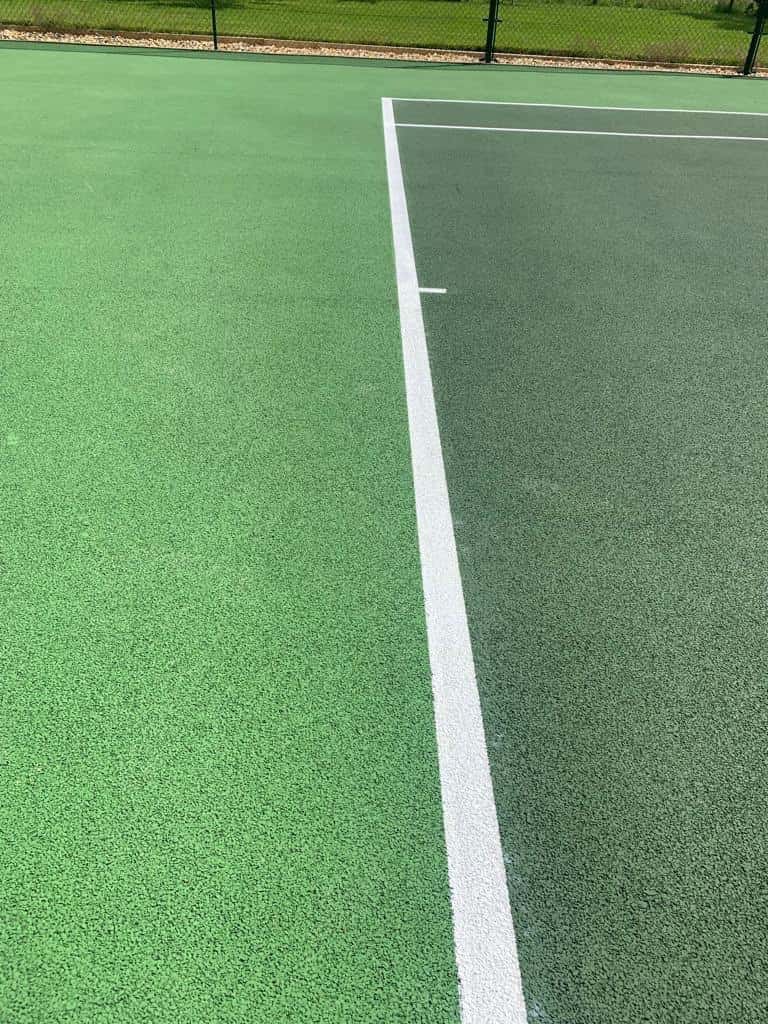
Choosing the right surface is one of the most important decisions when planning a new tennis court. The playing surface affects how the ball behaves, how players move around the court and how the facility can be used throughout the year.
For anyone considering tennis court construction in Essex, the choice should be based on how the court will be used, the preferred style of play, maintenance requirements and the characteristics of the site. Taking time to assess these factors can help create a court that is practical, durable and enjoyable to play on.
What to Consider Before Choosing a Tennis Court Surface
There is no single surface that suits every tennis court. Before construction begins, it is useful to consider who will use the court, how frequently it will be played on and what type of playing experience is expected.
The available space, drainage, existing ground conditions and surrounding environment should also be assessed. These factors can influence the construction requirements and the long-term performance of the finished court.
A professional site assessment can help identify the most suitable approach before a final decision is made.
Acrylic and Artificial Grass Surfaces
Acrylic surfaces are commonly associated with hard tennis courts and can provide a consistent playing environment. They can be designed with different playing characteristics depending on the construction system and surface specification.
Artificial grass offers a different style of play and can provide a softer-feeling surface underfoot. It can be suitable for players who prefer a particular type of movement and ball response.
The choice between these surfaces should take into account how the court will be used and the type of playing experience required.
How Surface Choice Affects Playing Style
Different tennis court surfaces can influence the speed of play and the way the ball reacts after bouncing.
Some surfaces can produce a quicker game, while others may allow players more time to react and construct points. Movement can also feel different depending on the surface beneath the player.
For a private court in Essex, it is therefore worth considering the playing preferences of the people who will use it most often rather than selecting a surface based solely on appearance.
Considering Drainage and Ground Conditions
A well-designed tennis court needs an appropriate foundation and effective drainage. Water that remains on or beneath the playing surface can affect how the court performs and may contribute to deterioration over time.
The condition of the site should therefore be assessed before construction. Ground preparation, falls and drainage arrangements need to work together with the chosen surface system.
This is particularly important when planning a new court where the existing ground may require preparation before the playing surface can be installed.
Maintenance Requirements
Every tennis court surface requires appropriate care, but maintenance requirements can vary depending on the system selected.
Routine cleaning, checking for surface deterioration and dealing with drainage issues can help maintain the court’s condition. Surrounding vegetation should also be managed so that leaves, moss and other debris do not accumulate on the playing area.
Understanding the maintenance requirements before construction makes it easier to plan for the long-term care of the court.
Durability and Long-Term Performance
A tennis court should be designed to withstand regular use while maintaining a consistent playing surface. The quality of the foundation, drainage and installation can all contribute to the performance of the finished court.
Choosing an appropriate surface is only one part of the process. Correct preparation and professional installation are equally important when aiming for a reliable playing environment.
Why Professional Tennis Court Construction Matters
A tennis court involves more than simply installing a surface over an area of ground. The underlying construction needs to provide a suitable base, drainage needs to be considered and the surface must be installed correctly.
Professional tennis court construction can bring these elements together as part of a planned installation. This allows the surface to be selected according to the intended use of the court and the characteristics of the site.
For property owners considering a new tennis court in Essex, discussing the project with an experienced contractor can help clarify the available options.
Choosing a Surface for Your Essex Tennis Court
The right surface depends on the intended use of the court, playing preferences, site conditions and maintenance expectations. There is no universal solution, which is why these factors should be considered before construction begins.
Tennis Court Construction Essex can help property owners assess their requirements and plan a tennis court around the needs of the site and its intended users.
Conclusion
Choosing the right tennis court surface is an important part of planning a new court in Essex. Playing characteristics, ground conditions, drainage, maintenance and long-term use should all be considered before construction begins.
A carefully planned installation can provide a consistent and practical playing environment for years to come. If you are considering a new tennis court in Essex, contact Tennis Court Construction Essex to discuss your requirements and explore the most suitable construction and surface options for your project.
Call us on: 01245 945 895
Click here to find out more about Tennis Court Construction Essex
Click here to complete our contact form and see how we can help with your tennis court.